 Back in the early days of the interweb when I built my first, and perhaps best forgotten, paper doll site, images were generally small. They look a long time to load and things like Pinterest didn’t exist- neither did really any Social Media.
In those days images were best kept small, but today we can get away with much larger images and I like large images. They are pretty. One of the things I have been doing is working on reformating a lot of the images on the blog to be larger and easier to see.
This is a very long way of saying that today’s Flock magnetic paper doll post is in a different format then my other Flock posts. Let me know what you think in a comment…
Meanwhile, I am dabbling again with Noir Punk, or as I think most know it, Diesel Punk. Personally, I like my name better. Basically, it’s vintage styled clothing of the 1930s and 1940s combined with a punk aesthetic.
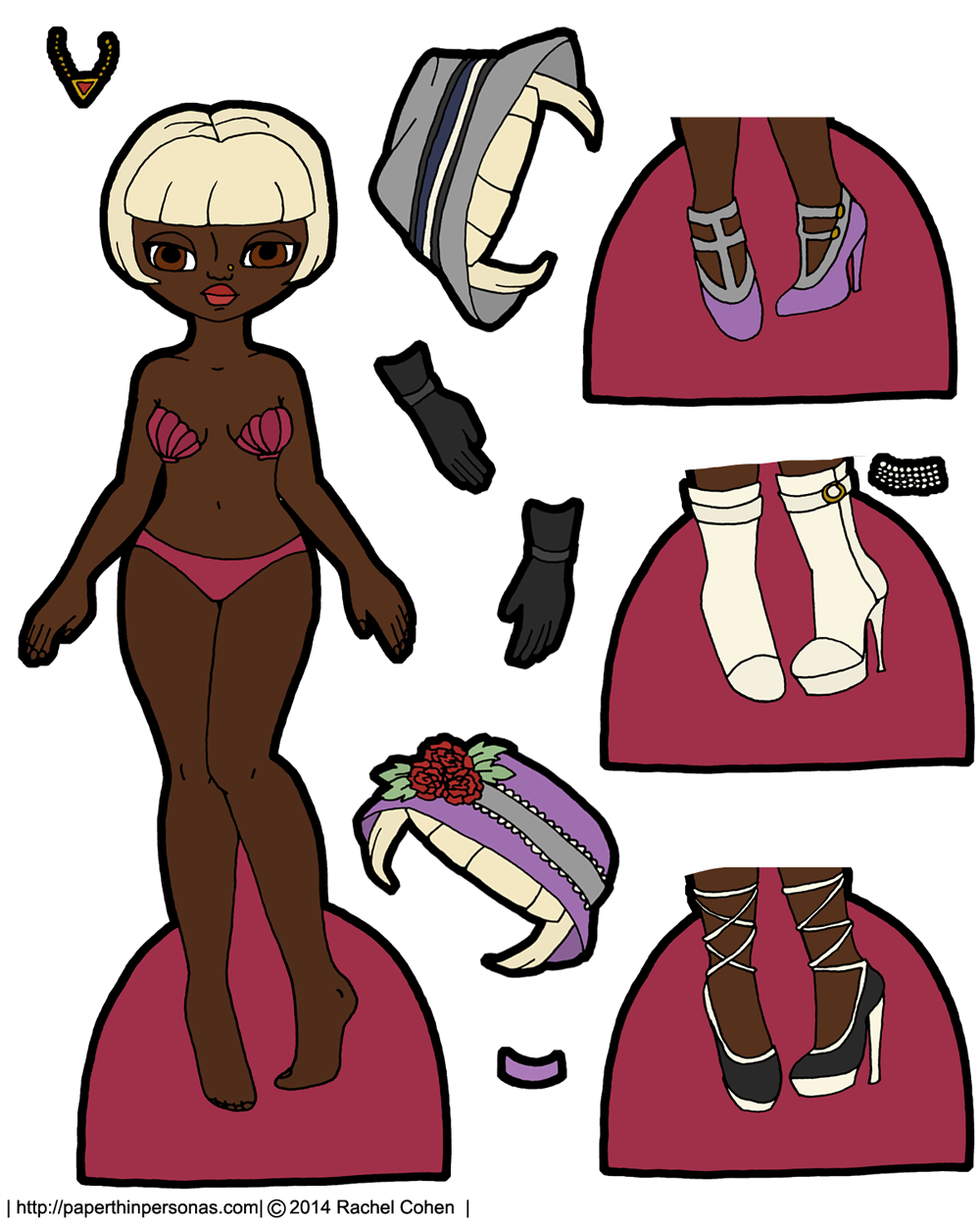
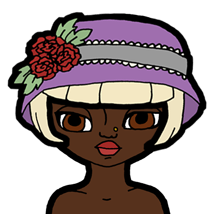
Anyway, here is Wren, named for a bird, showing off her shoes and hats. I really do like the hats and I think they are fun for the Flock magnetic paper dolls. Magnetic paper dolls are fun.
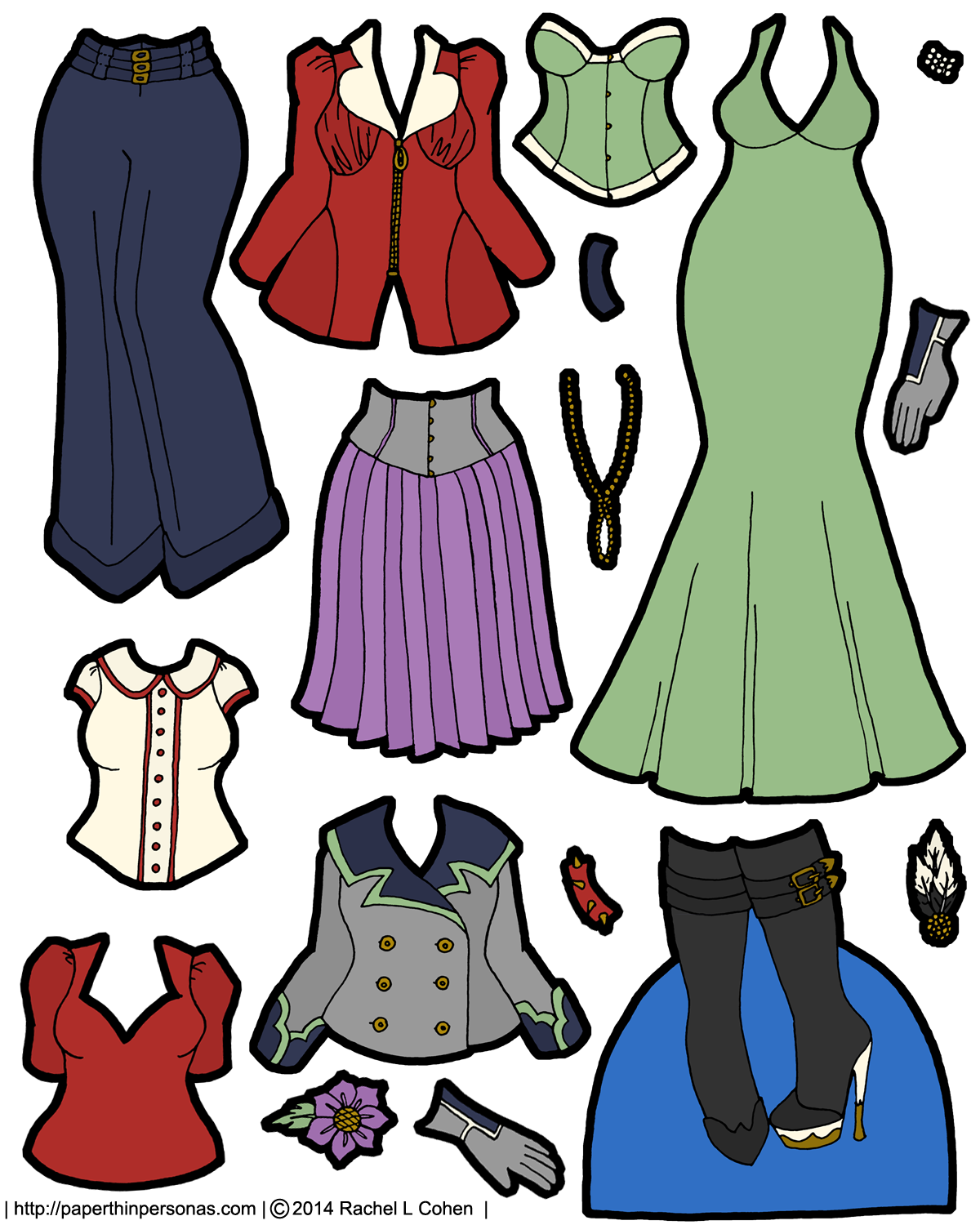
I’ve dabbled in this style before and you can see that Starling set of Punk Noir if you like. I’m not sure how I feel about the colors on this set, but for the moment, I like them.
Thoughts? Ideas? Drop me a note in the comments.
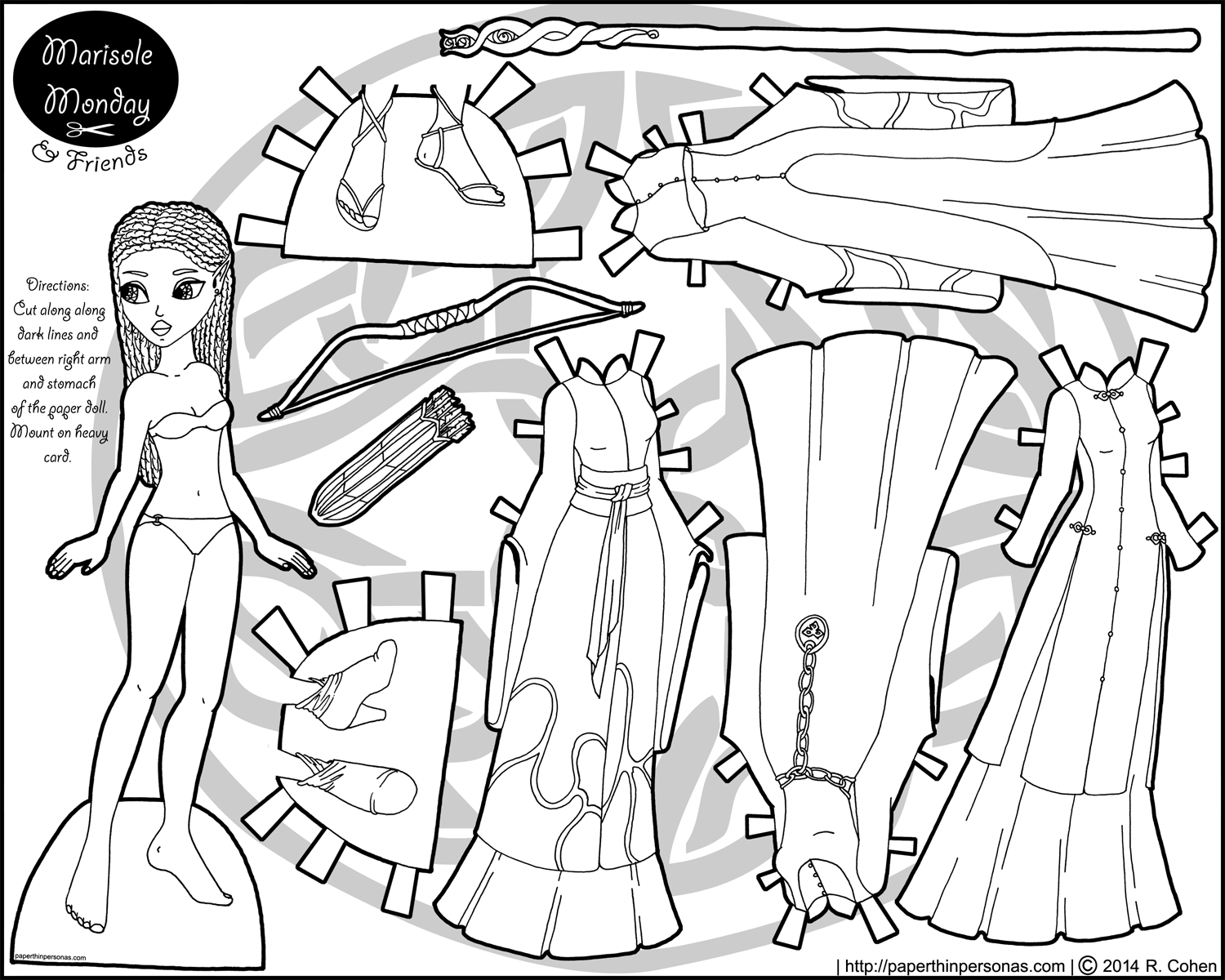
 I might be a little obsessed with the wigs. Not confirming that, just mentioning it.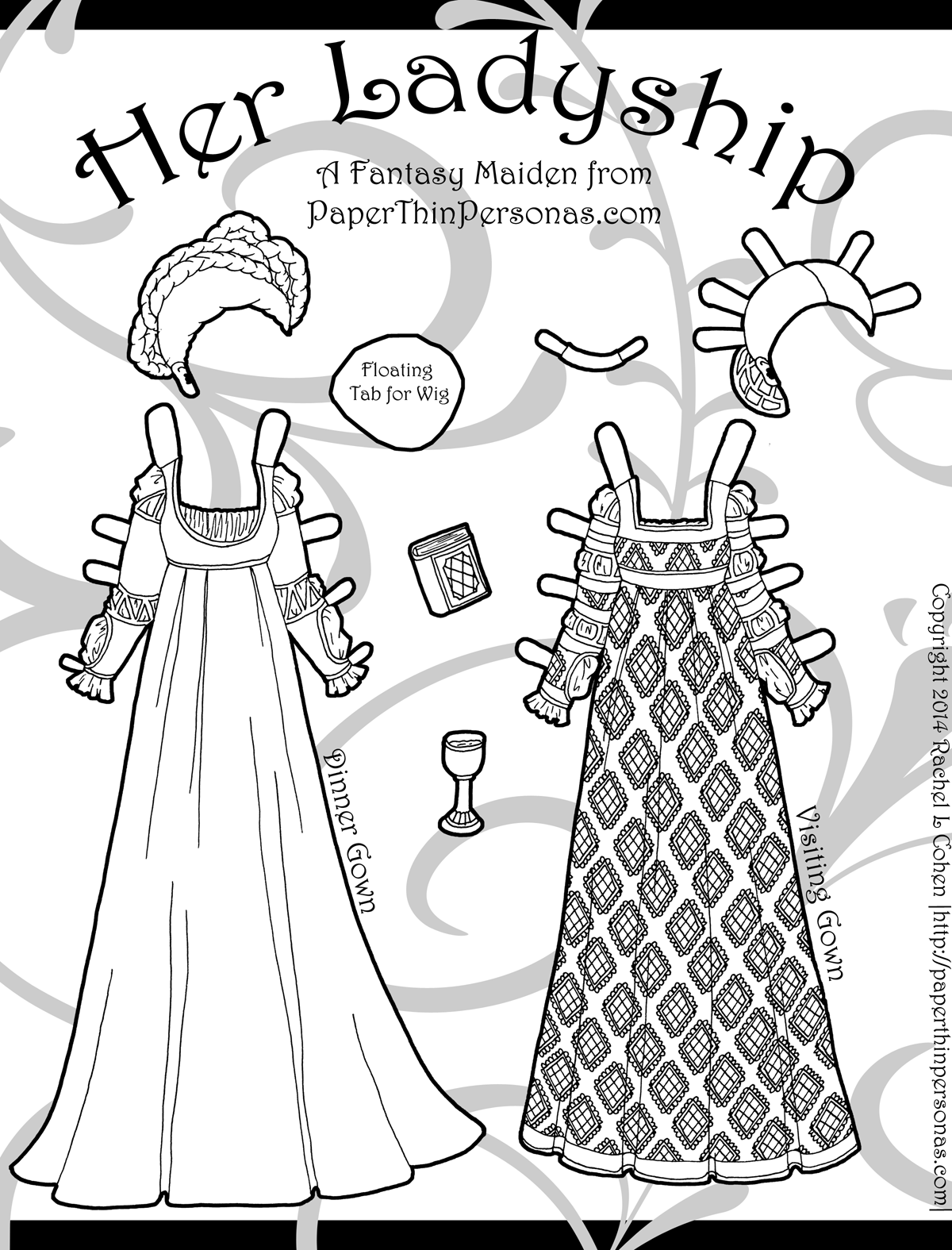
 Last week, as you may recall, I posted my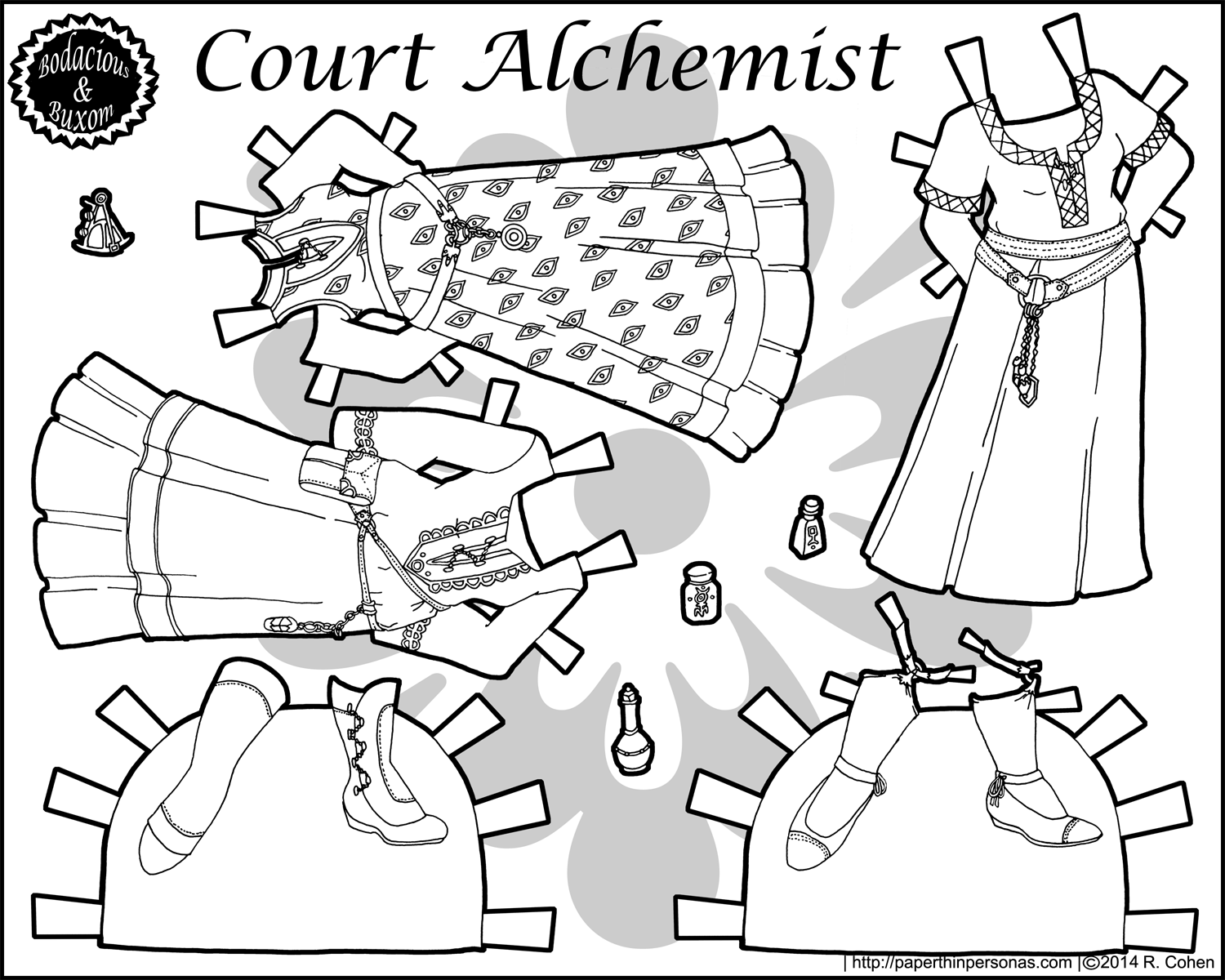
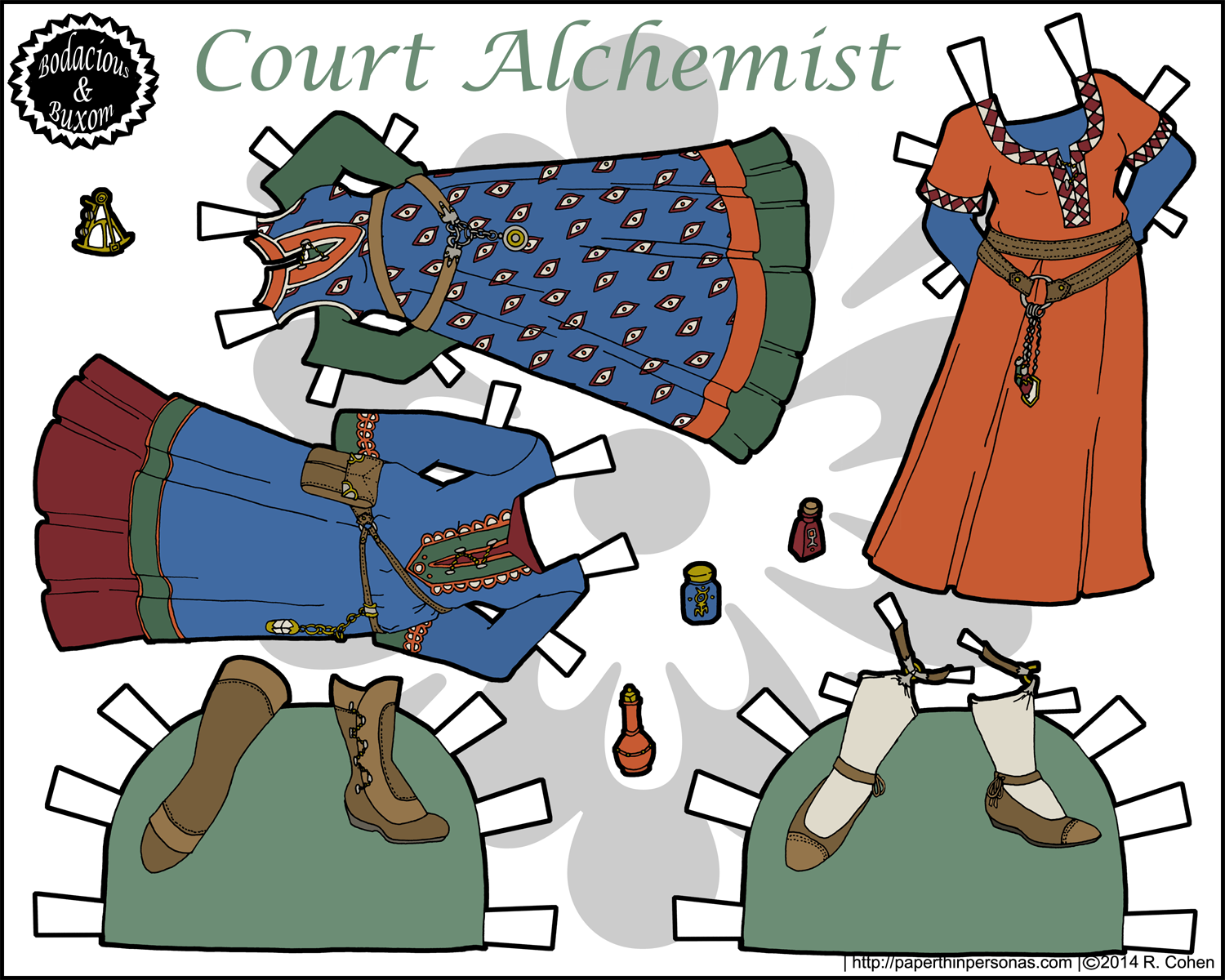

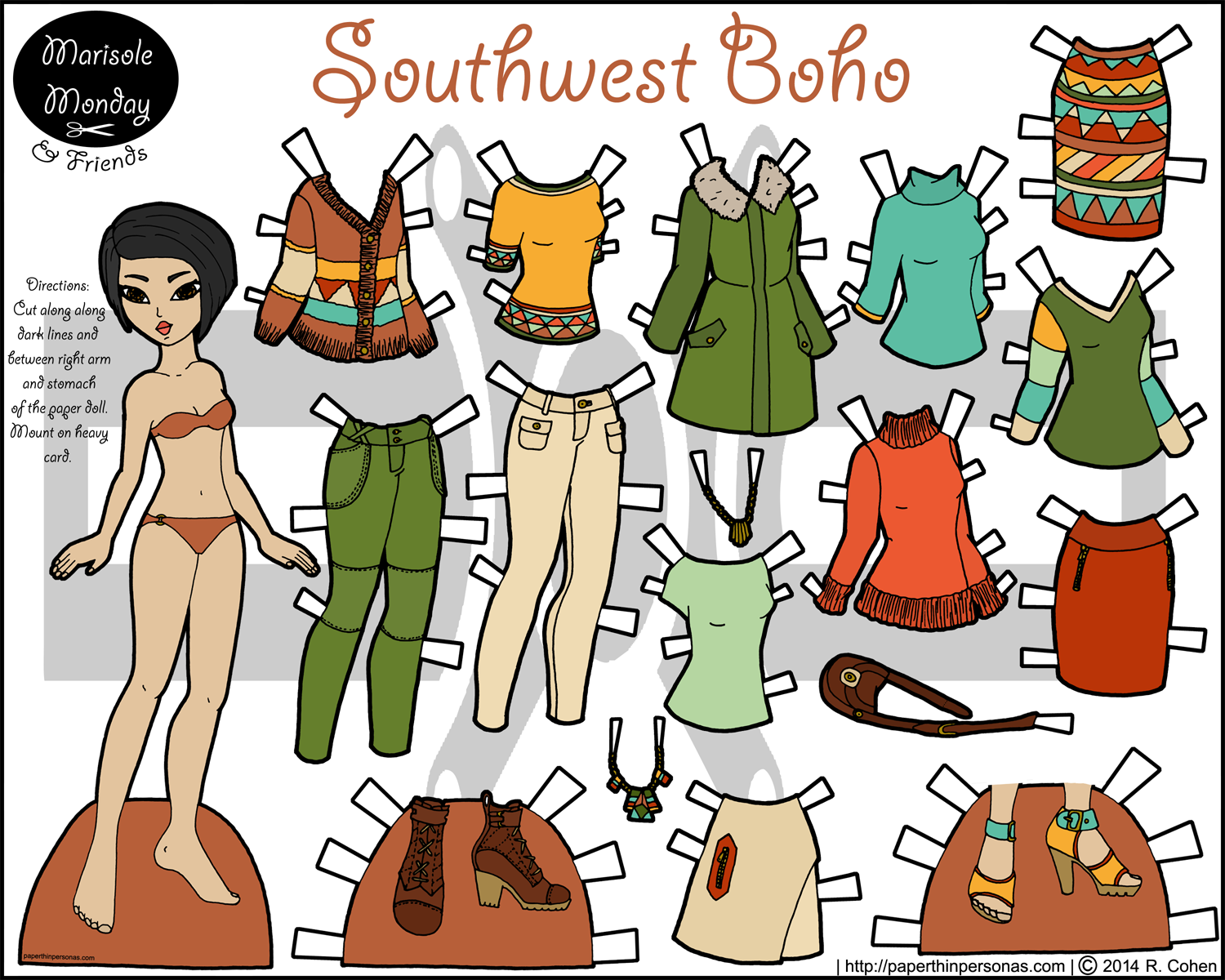
 In life, there are certain rules, like stopping at red lights and not stealing library books. One of my rules is: Don’t waste blog content.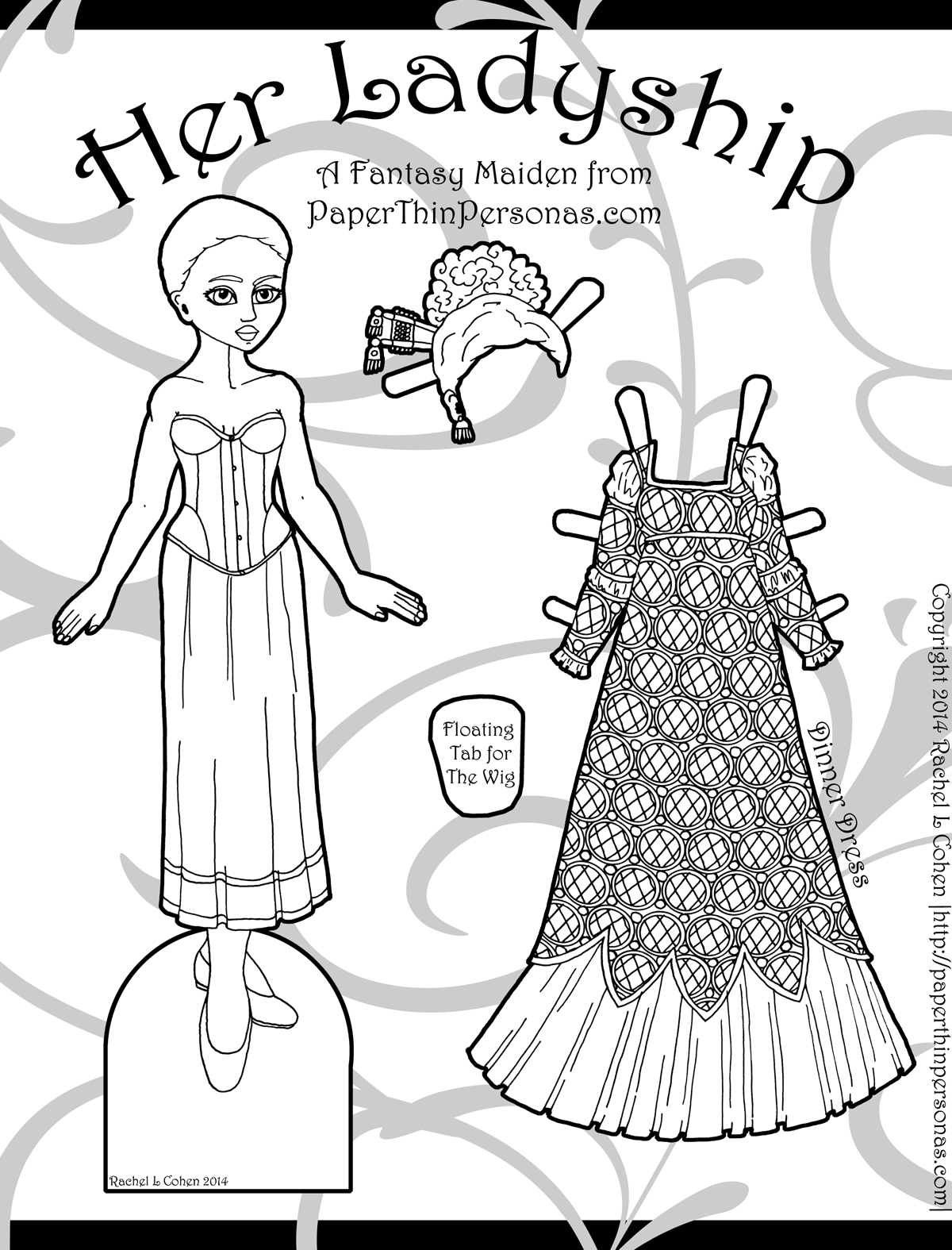
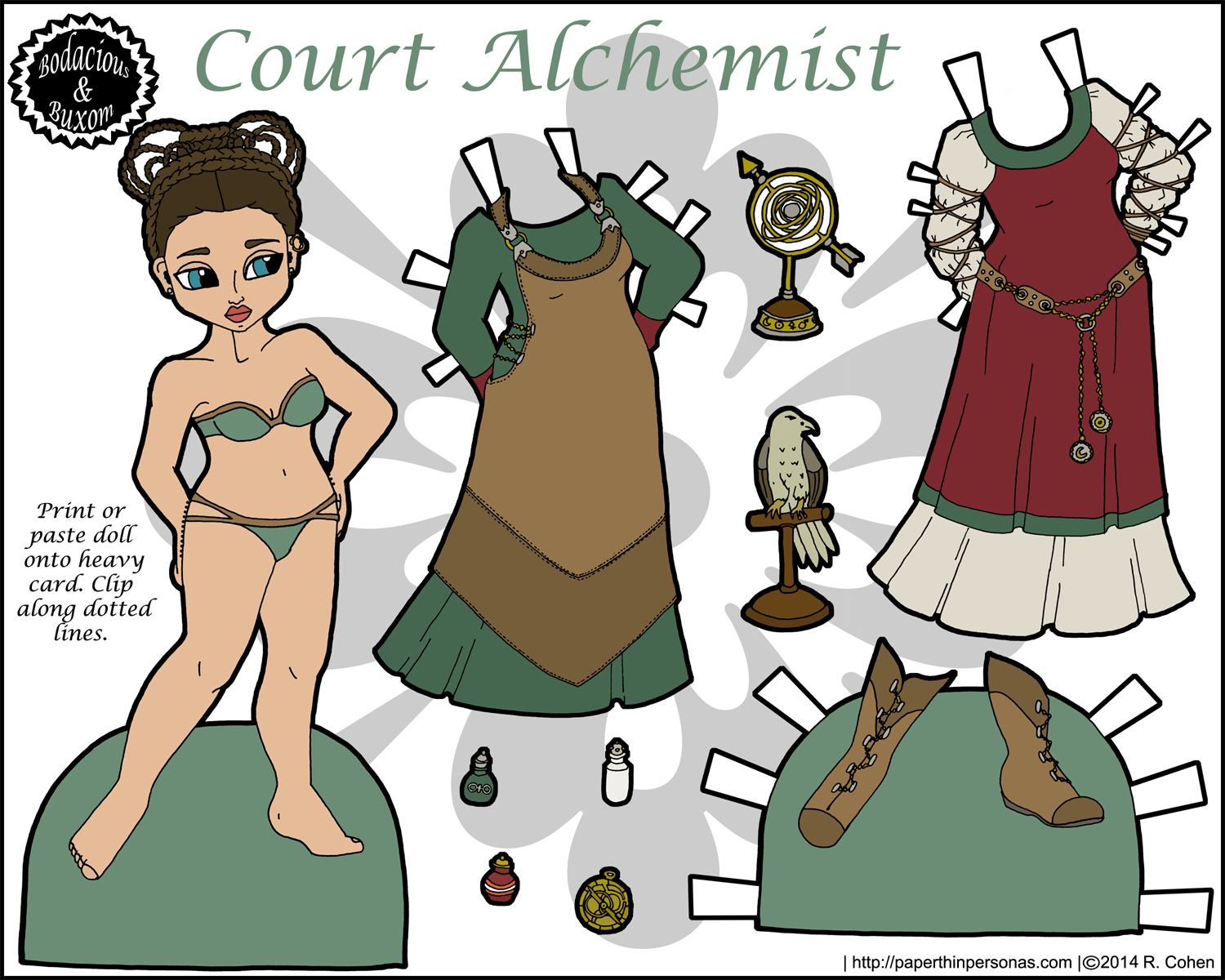
 Obviously, I am embracing the fantasy options for my paper dolls today. Actaully, I have been really paper doll productive over the last few weeks and have managed to get a lot done as far as wrapping up old projects. This set is actually the first thing I drew in my current sketchbook and I am now, finally, getting it posted live on the blog, several months later.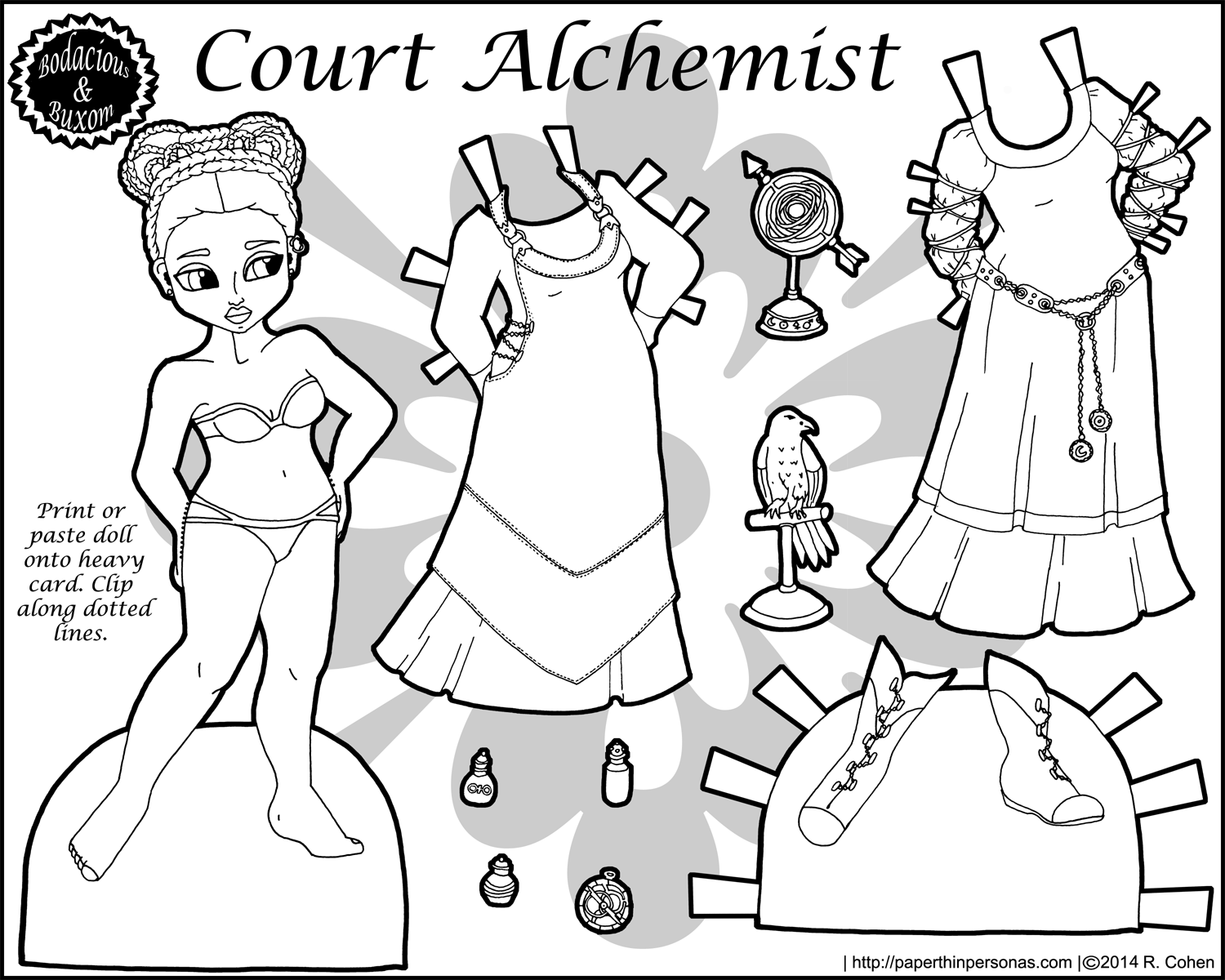
 According to one of the fashion magazines I bought in September, Southwestern is the new Boho.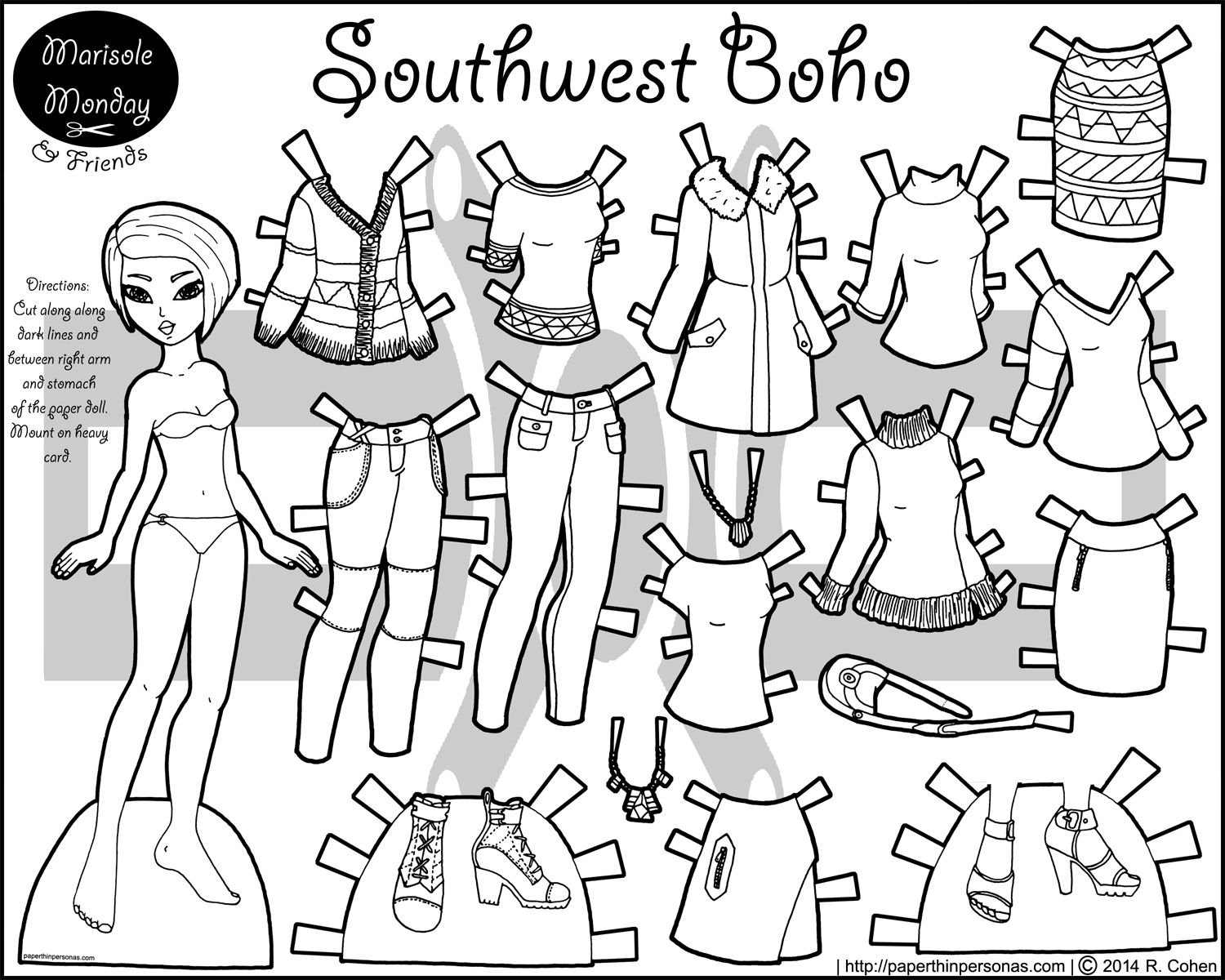
 Last week, the circus came to town in black and white for coloring, but here the paper doll set is in full color. I am really very pleased with how she came out. Sometimes, I know what I am doing with a paper doll set before I start coloring. Other times, I have no idea what I am going do with colors. In this paper doll’s case, I had a pretty clear idea of where I was going to go before I got there.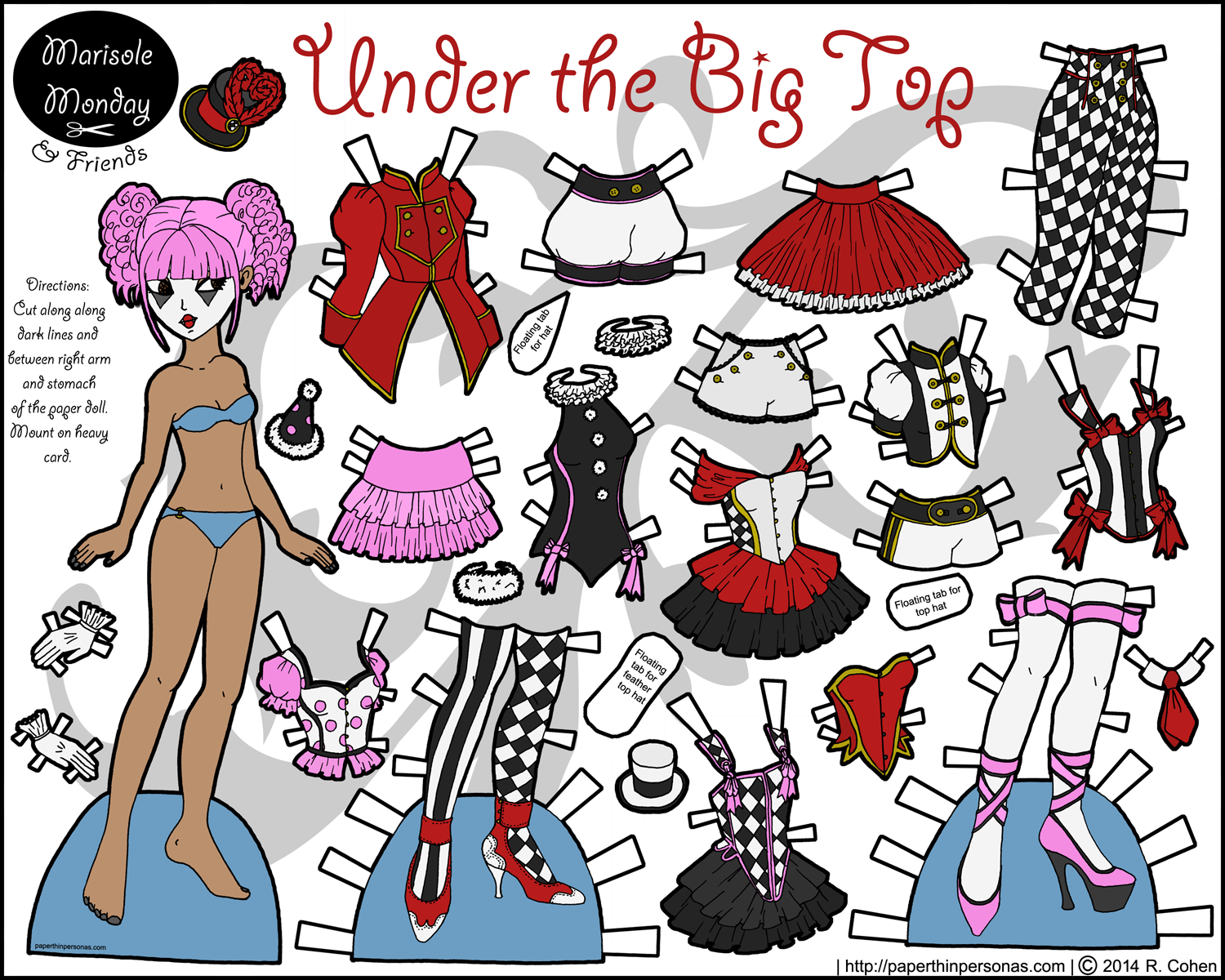
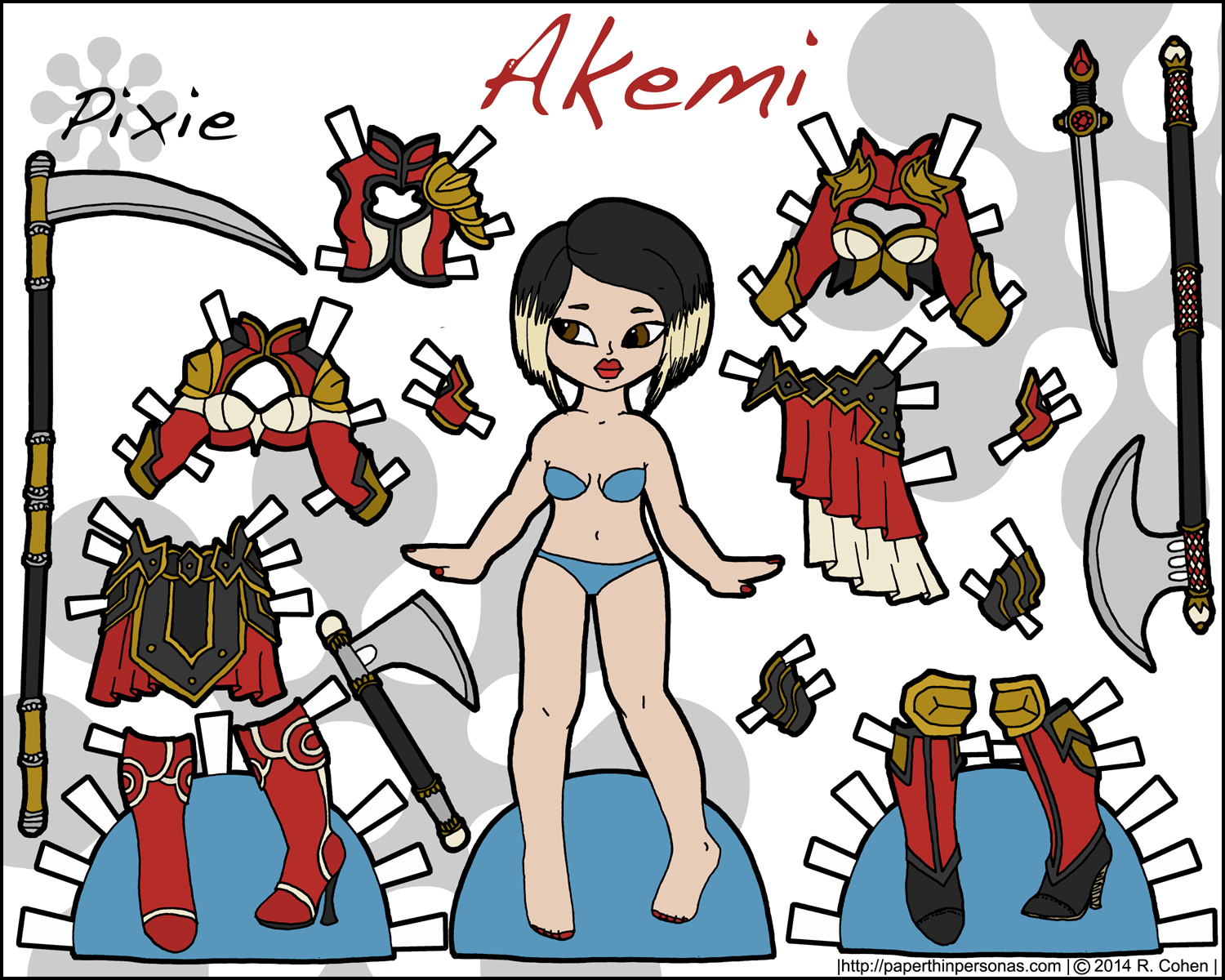
 Today’s paper doll is named for a very close friend of mine in childhood named Akemi. Akemi was a very talented singer and dancer. Also, her family kept ducks.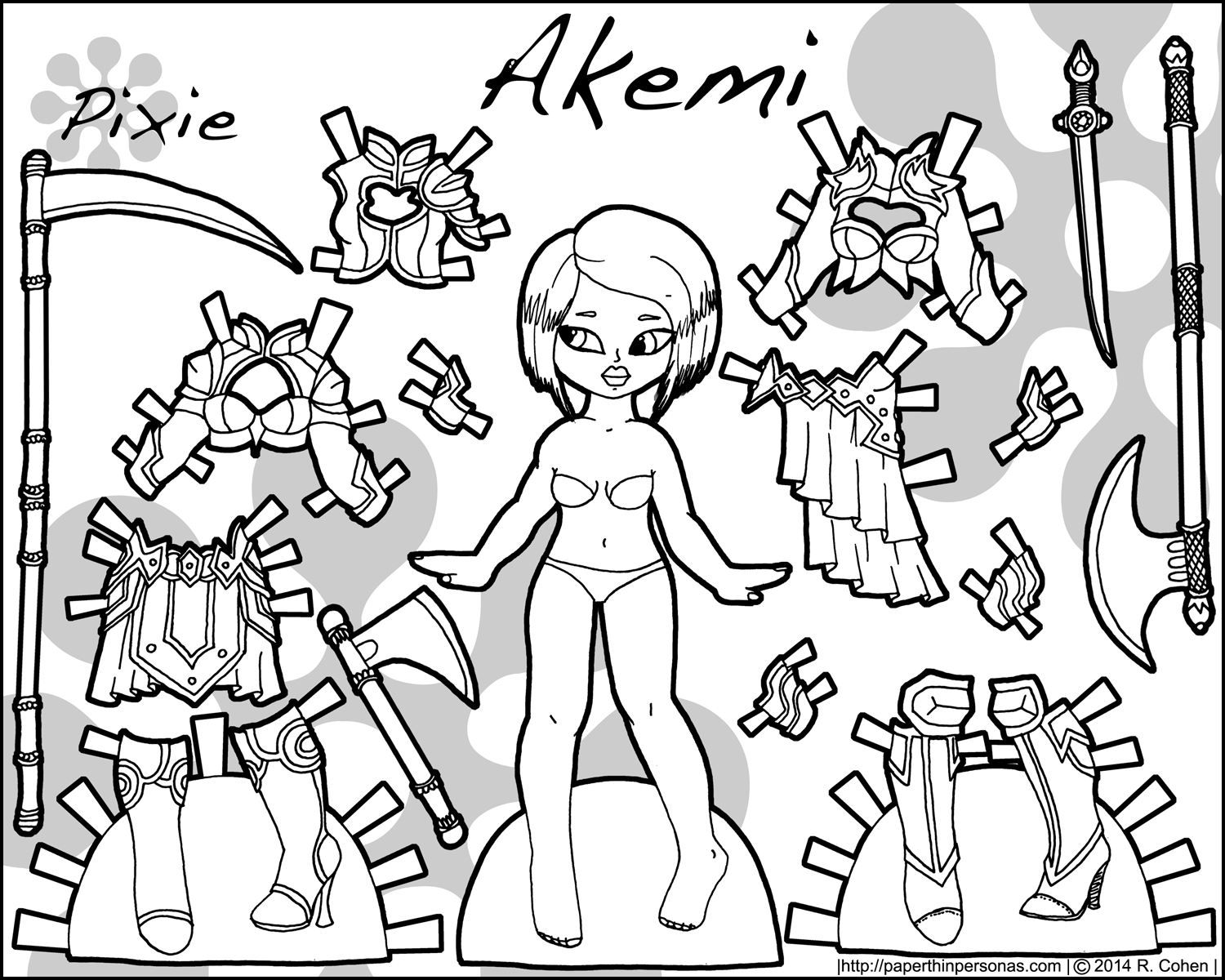
 Marisole’s gone to the circus this monday, complete with makeup.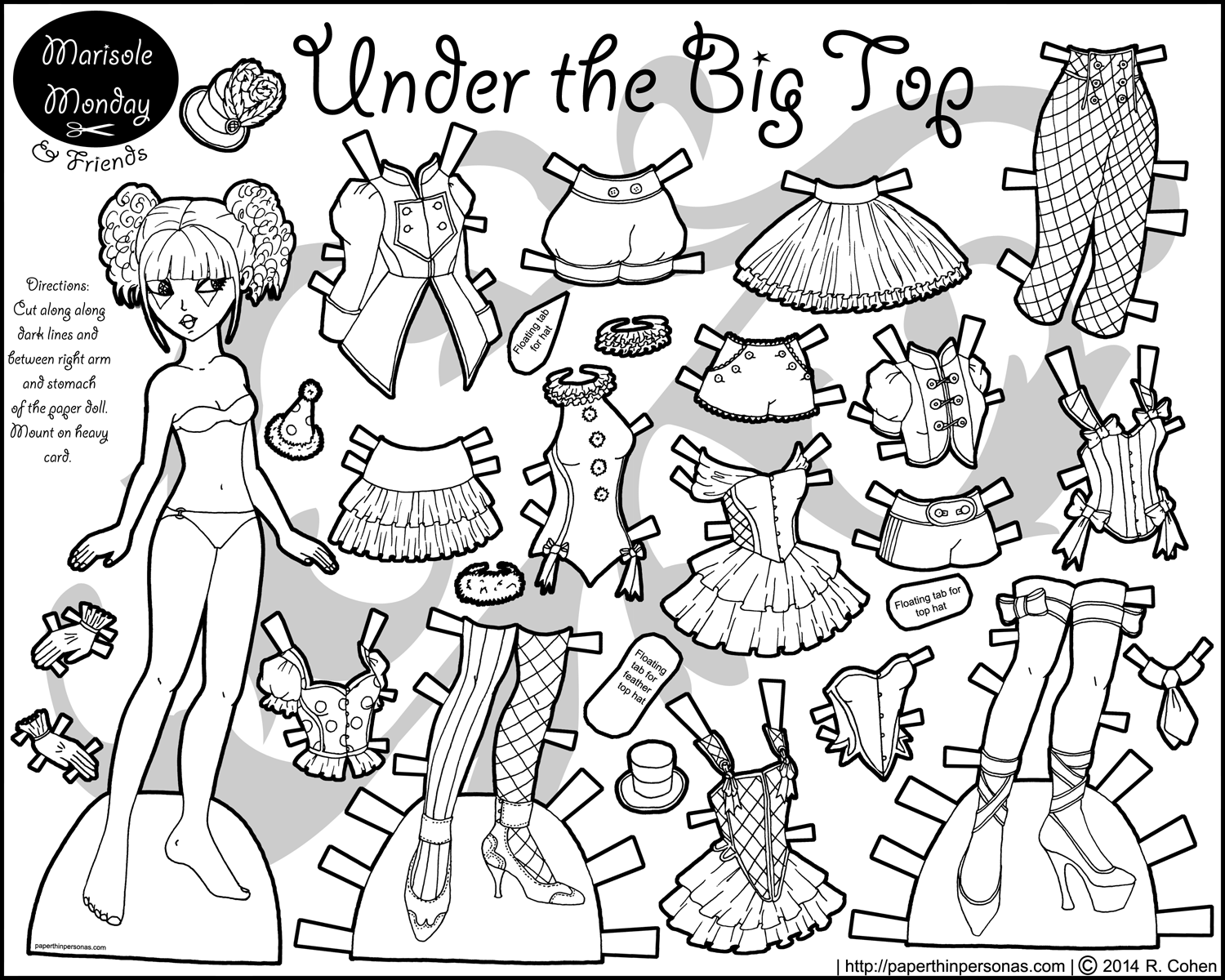
 So, today the